Source mini dual purpose hand walking tractor for Lawn, Garden, and Farm Use
Find 23 mini dual purpose hand walking tractor options for lawn, garden, and farm applications. Buyers can compare specifications like horsepower, drive type, and service life across models ranging from 12HP to 20HP with varying certifications and packing standards.
Key considerations
Products List


Comprehensive Sourcing Guide
Sourcing Guide for Mini Dual Purpose Hand Walking Tractors
Understanding the Product Category and Core Specifications
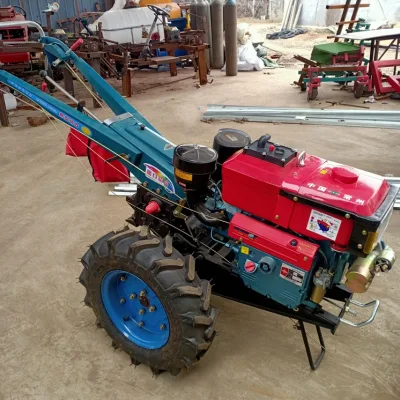
The mini dual purpose hand walking tractor represents a critical segment of agricultural mechanization, designed to bridge the gap between manual labor and large-scale machinery. These units are primarily classified as walking tractors, yet they often integrate functions typical of rotary tillers, allowing for versatile operation in diverse farming environments. When sourcing these machines, buyers must first distinguish between the various configurations available in the market. The product data indicates that these units are available in multiple horsepower ratings, specifically including models rated at 12HP, 15HP, 18HP, and 20HP. This range of power output allows buyers to select a unit that matches the specific soil conditions and crop requirements of their operation.
The physical dimensions and structural specifications are equally critical for procurement decisions. The observed product sizes vary, with some units listed with dimensions such as 370150245cm, while others have specific packing dimensions like 21208441160mm. The wheel base is a key stability factor, with documented specifications showing a wheel base of 2000mm. Furthermore, the wheel track is adjustable or variable, typically ranging between 1100mm and 1300mm, which is essential for navigating different row widths in crop fields. The weight of these machines is substantial, with some models listed at 1600kg, indicating a robust build designed to withstand heavy-duty soil preparation tasks. The drive wheel configuration is consistently noted as 2WD, which is standard for this class of walking tractor, providing sufficient traction for most agricultural applications without the complexity of four-wheel drive systems.
Technical Configuration and Operational Capabilities
The technical architecture of a dual-purpose walking tractor is defined by its power source, drive mechanism, and operational modes. The vast majority of these units operate on diesel power, ensuring high torque and fuel efficiency for continuous running operations. The drive type is predominantly gear drive, a reliable mechanical transmission system that offers durability and ease of maintenance compared to hydraulic or belt-driven alternatives. The arbor configuration is typically a horizontal axis, which supports the attachment of various implements for different farming tasks.
Operationally, these machines are designed for soil preparation and can function as continuous running operation units. The starting mechanism is versatile, offering both hand start and electric start options to accommodate different user preferences and environmental conditions. The application field is broad, covering agriculture, forestry, livestock, and aquaculture. Specific farming policies associated with these machines include dry cultivating machinery and paddy field machinery, suggesting that the design is adaptable to both arid and wetland environments. The traction type is listed as traction, emphasizing the machine's ability to pull implements effectively. For buyers, verifying the compatibility of the tractor with specific attachments is a primary technical consideration, as the "dual purpose" nature relies heavily on the interchangeability of tools like rotary tillers, ditchers, and planters.
Compliance, Certification, and Safety Standards
Navigating the compliance landscape is a vital step in the procurement process, particularly when importing machinery from international markets. The product data highlights several certification standards that buyers should look for to ensure safety and regulatory adherence. Common certifications observed in this category include CE, EU, and ECE, which indicate compliance with European safety and environmental directives. Some listings also reference ISO9001:GMP and QS standards, suggesting adherence to quality management systems and specific industry protocols.
However, buyers must exercise caution when interpreting these certifications. The presence of a certification label does not automatically guarantee that every unit in a supplier's catalog meets the same standard. It is imperative to request valid, up-to-date certification documents for the specific model being purchased. The data also mentions a standard dimension of 22008001100, which may refer to a packaging or shipping standard rather than a product performance standard. Similarly, volume standards like 1.2CBM are noted, which are relevant for logistics planning but do not constitute a technical performance metric. Buyers should verify that the specific unit's certification matches the regulatory requirements of their destination country, as standards can vary significantly between regions. Relying solely on the presence of a "CE" mark without verifying the supporting documentation can lead to customs delays or safety liabilities.
Cost Drivers and Procurement Economics
The pricing structure for mini dual purpose hand walking tractors is influenced by a combination of technical specifications, packaging requirements, and order volume. The observed price range in the market spans from 158 USD to 3500 USD. This wide disparity is not merely a reflection of brand value but is driven by significant differences in horsepower, build quality, and included features. A 12HP model will naturally command a lower price point than a 20HP unit, and the inclusion of electric start systems or advanced transmission components will further influence the final cost.
Minimum Order Quantity (MOQ) is another critical economic factor. The data indicates an MOQ range of 1 to 20 units. This flexibility allows small-scale farmers or individual buyers to purchase single units, while larger agricultural cooperatives or distributors can leverage bulk ordering to negotiate better rates. The packaging method also plays a role in the overall cost structure. Units are shipped in wooden cases, wooden boxes, or wrapped in plastic film, with specific dimensions like 21208441160mm noted for certain packages. Wooden case packing generally offers superior protection during international transit but adds to the shipping weight and cost compared to plastic film wrapping. Buyers should calculate the total landed cost, including freight, insurance, and duties, rather than focusing solely on the ex-works price. Understanding these cost drivers helps in budgeting and selecting the most economically viable option for the intended scale of operation.
Typical Applications and Versatility
The versatility of the mini dual purpose hand walking tractor is one of its most compelling features for buyers. These machines are engineered to handle a wide array of agricultural tasks, making them suitable for diverse farming policies and crop types. The application field extends beyond simple plowing to include specific functions like ditching, planting, and fertilization. The ditching mode is described as continuous ditching, which is efficient for irrigation channel preparation. In terms of planting, the machinery can be configured as a planting machine with functions for dual seeding and fertilization, often utilizing a broadcast seeder mechanism.
The range of crops these machines can support is extensive, including corn, rice, wheat, tubers, fruit, trees, beans, and peanuts. This adaptability makes them ideal for mixed-farming operations where crop rotation is common. The distinction between dry cultivating machinery and paddy field machinery highlights the machine's ability to perform in both waterlogged and dry soil conditions. For forestry and aquaculture applications, the traction capabilities and adjustable wheel tracks allow for maneuverability in uneven terrain. Buyers should assess their specific crop mix and soil conditions to ensure the selected model's horsepower and attachment compatibility align with their operational needs. The service life of these units is estimated between 3 to 6 years for some models, while others are rated for 6 to 10 years, indicating that long-term durability is a key factor in the application's success.
Supplier Evaluation and Quality Control Protocols
Evaluating suppliers for walking tractors requires a rigorous approach to quality control and verification. The origin of these machines is predominantly China, with specific mentions of Zhengzhou as a manufacturing hub. While this provides a centralized view of the supply chain, buyers must verify the specific factory location and production capabilities. The product condition is listed as "New," but this is a baseline expectation that must be confirmed through physical inspection or third-party quality assurance reports.
When assessing suppliers, buyers should look for evidence of consistent manufacturing standards. The data mentions various packing methods, including wooden packages and wooden boxes, which serve as indicators of the supplier's attention to detail in shipping. A supplier that invests in robust packaging is more likely to prioritize product integrity. Additionally, the availability of customization is a significant advantage, allowing buyers to tailor the machine to specific local requirements. However, customization should be approached with clear technical specifications to avoid misalignment with the core design.
Quality control should extend beyond the initial purchase. Buyers should verify the warranty terms and the availability of spare parts, given the service life expectations of 3 to 10 years. The drive type, power source, and starting mechanism should be tested for reliability before finalizing a bulk order. It is also crucial to confirm that the supplier can provide the necessary documentation for certifications like CE, ISO9001, or others relevant to the buyer's market. A transparent supplier will readily provide test results and performance data, rather than making vague claims.
Long-Term Procurement and Operational Considerations
Sourcing a mini dual purpose hand walking tractor is not just a transactional event but a long-term investment in agricultural efficiency. The service life of the machine, ranging from 3 to 10 years depending on the model and usage intensity, dictates the need for a sustainable procurement strategy. Buyers should consider the total cost of ownership, which includes maintenance, fuel consumption, and the availability of replacement parts. The gear drive system, while durable, requires regular lubrication and inspection to maintain optimal performance.
The operational environment plays a significant role in the longevity of the machine. Whether used for dry cultivating or paddy field operations, the machine will face different wear and tear patterns. Buyers should ensure that the selected model is rated for their specific farming policy. For instance, a machine designed for paddy fields may require specific corrosion-resistant components if used in high-humidity environments. Furthermore, the dual purpose nature of the tractor means that the buyer must plan for the acquisition of various attachments. The compatibility of these attachments with the horizontal axis arbor and the 2WD drive system is essential for maximizing the machine's utility.
In conclusion, the procurement of a mini dual purpose hand walking tractor requires a balanced approach that considers technical specifications, compliance, cost, and long-term operational needs. By carefully evaluating the horsepower, dimensions, certifications, and supplier reliability, buyers can secure a machine that enhances productivity and meets the demands of modern agriculture. The wide range of available models and the flexibility in customization offer opportunities for tailored solutions, provided that the buyer conducts thorough due diligence and verifies all claims against the supplied product facts.
FAQs
What horsepower models are available for this tractor?
Available models include 12HP, 15HP, 18HP, and 20HP options. Buyers can select the specific power rating that matches their soil conditions and crop requirements for optimal performance.
Can I customize the tractor for specific farming needs?
Customization is available for these units to meet specific local requirements. Buyers should provide clear technical specifications to ensure the customized machine aligns with the core design and operational needs.
What certifications do these machines typically hold?
Common certifications include CE, EU, ECE, ISO9001, GMP, QS, and UL. Buyers must verify valid documents for the specific model to ensure compliance with their destination country's safety regulations.
How long is the expected service life of the tractor?
Service life ranges from 3 to 6 years for some models and up to 6 to 10 years for others. Long-term durability depends on usage intensity and adherence to regular maintenance schedules.
What is the minimum order quantity for purchasing?
The minimum order quantity ranges from 1 to 20 units depending on the supplier. This flexibility allows individual farmers to buy single units while cooperatives can leverage bulk ordering for better rates.
Which drive type is standard for these walking tractors?
The standard drive type is gear drive, which offers durability and ease of maintenance. This mechanical transmission system provides reliable performance for continuous running operations in various agricultural tasks.
What are the typical dimensions and weight of the unit?
Some models weigh 1600kg with a wheel base of 2000mm and track between 1100mm and 1300mm. Dimensions vary, with specific packing sizes like 2120*844*1160mm noted for certain configurations.
Where are these tractors manufactured and shipped from?
Products originate from China, with specific manufacturing hubs mentioned in Zhengzhou. Buyers should verify the exact factory location and production capabilities to ensure quality control and logistics planning.